#
Waxing
#
Lashes
#
Brows
Boutique waxing studio
Waxwell's previous marketing lacked consistency and couldn't maintain year-round bookings during Calgary's slow fall and winter. We built a tracking system to stabilize demand during slower months.
Client
Scope of Work
Results

THE SITUATION
Seasonality was dictating revenue. The brand wanted to stabilize their slower months.
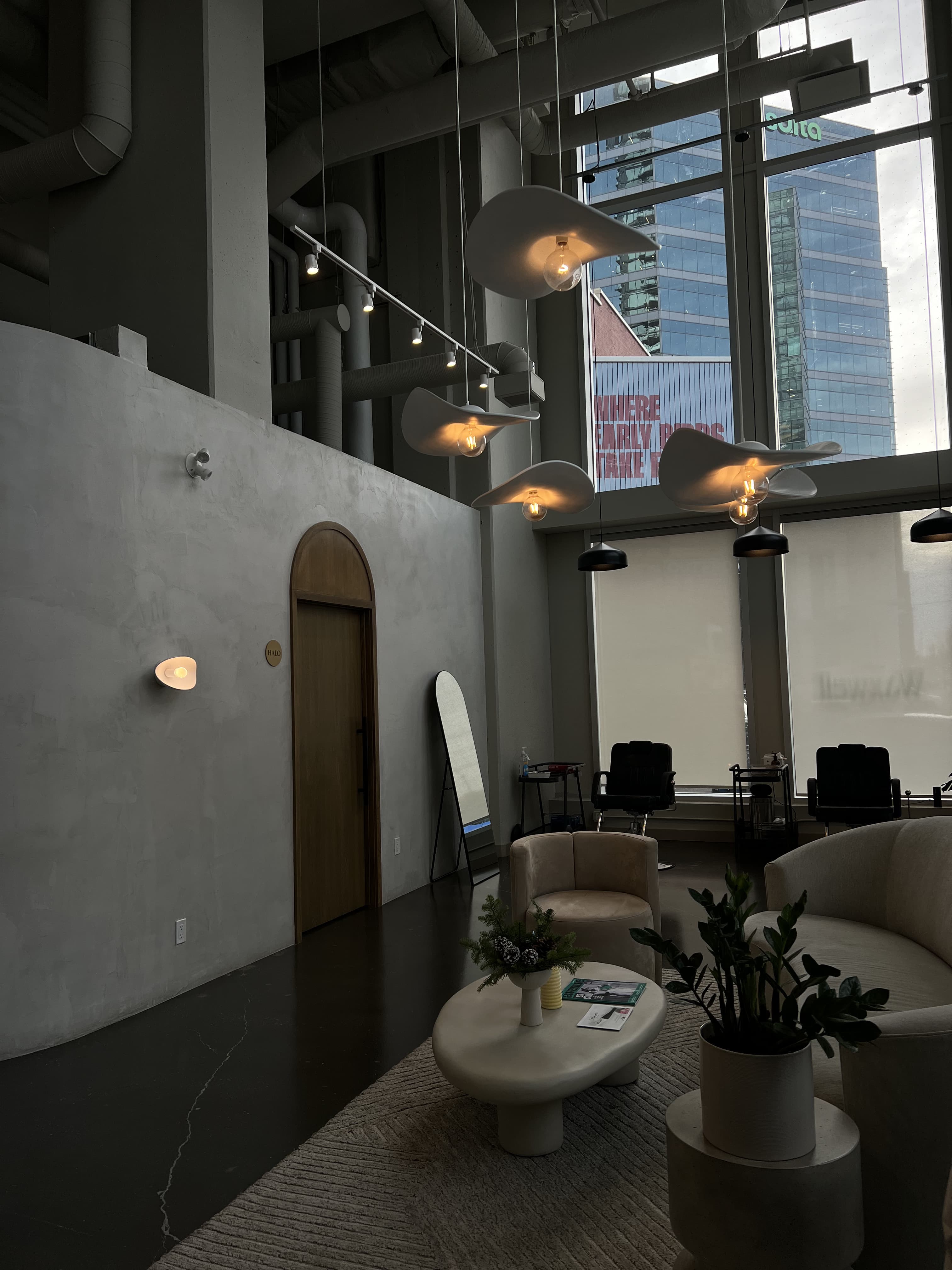
Waxwell Studio had strong branding and loyal clients, but revenue dipped sharply during slower months.
Fall and winter brought uncertainty, making it difficult to forecast bookings or plan growth with confidence.
Challenges
No control over demand. No visibility into performance.
Bookings relied heavily on walk-ins and repeat clients, with no reliable lead system to stabilize demand.
On top of that, tracking was almost nonexistent. They couldn’t clearly tell which campaigns, offers, or channels were driving bookings.
Money was being spent, but performance was unclear. When demand dropped, decisions were reactive and based on guesswork.



OUR APPROACH
We built a trackable, predictable growth system with paid ads & automations so decisions can be based on data, not assumptions.
We rebuilt the acquisition strategy around one goal: generate high-intent leads consistently and know exactly where they came from.
Campaigns were restructured with tested offers and direct response messaging. Full tracking was implemented across ads, forms, bookings, and follow-ups.
Automations handled missed and ghosted leads, while reporting made performance clear at every stage.
THE OUTCOME
Seasonality no longer had a complete grip over the business. Most brands expect marketing to eliminate slower months entirely – it won't. Marketing helps reduce the impact of seasonality, but can't erase it completely. Brands often abandon marketing when they still see month-over-month declines during slow periods. They miss the real picture: revenue may be down versus last month, but up substantially versus prior years without marketing. Success isn't always what you gain; sometimes it's how much less you lose.